Compassionate

Medical,

Mental Health,

And Dental Services


Providing Quality, Culturally Sensitive Care to Best Serve Sacramento’s Diverse Populations

Telehealth is a great way to connect with your provider in a safe and effective manner. 

Health checking image

Welcome To

Health And Life Organization (HALO)


We are 501(c)(3) Non-profit Public Benefit Corporation founded in 2003 and designated as an FQHC-LA in 2008 to provide quality comprehensive primary healthcare to low income and ethnically diverse and underserved populations residing within the City of Sacramento.


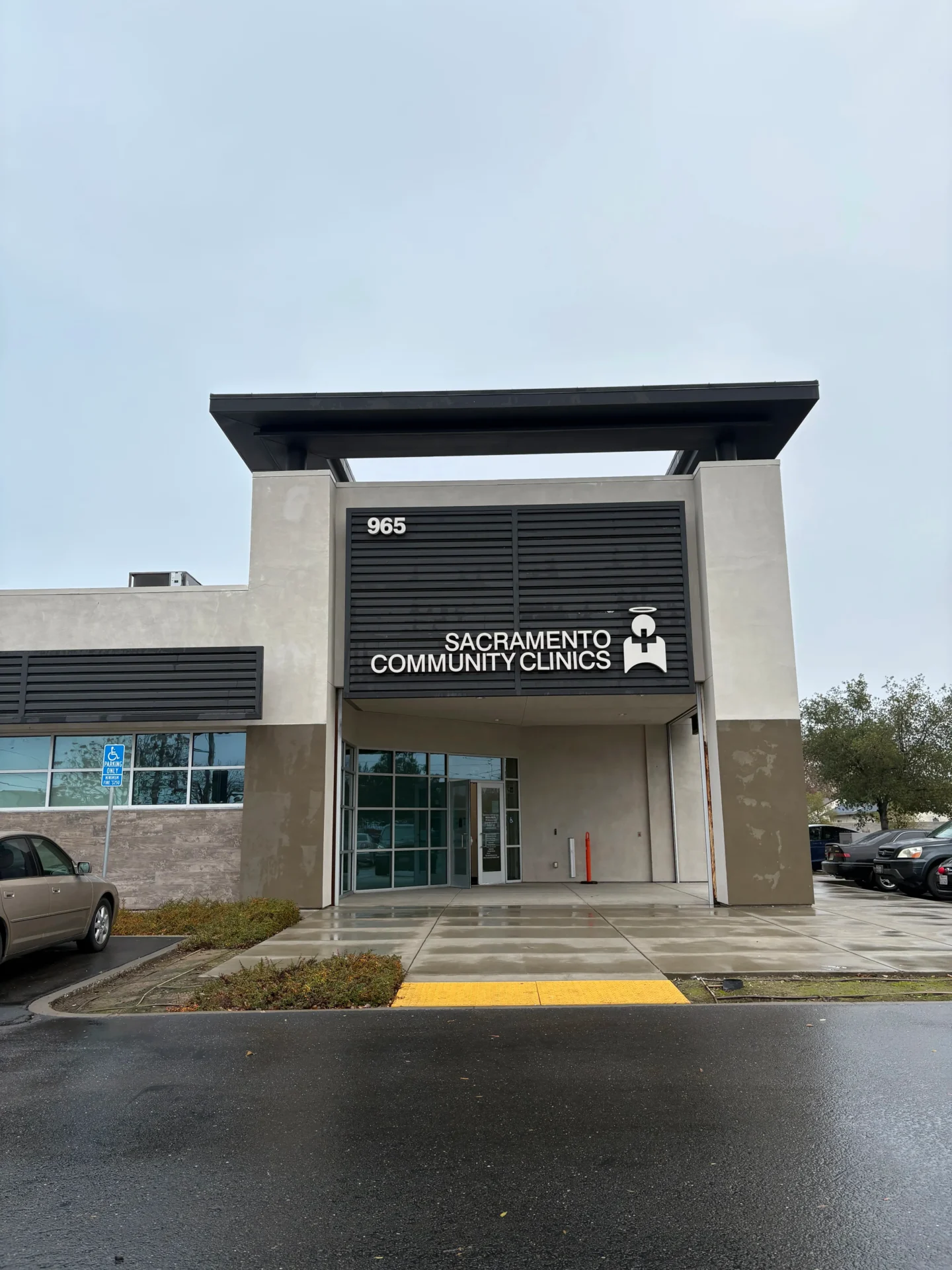
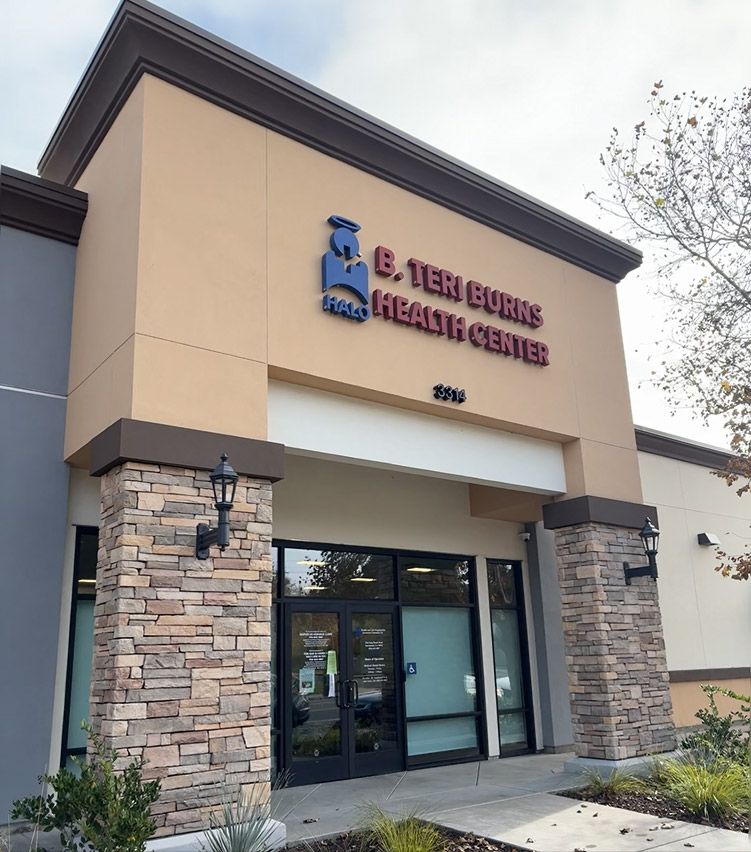
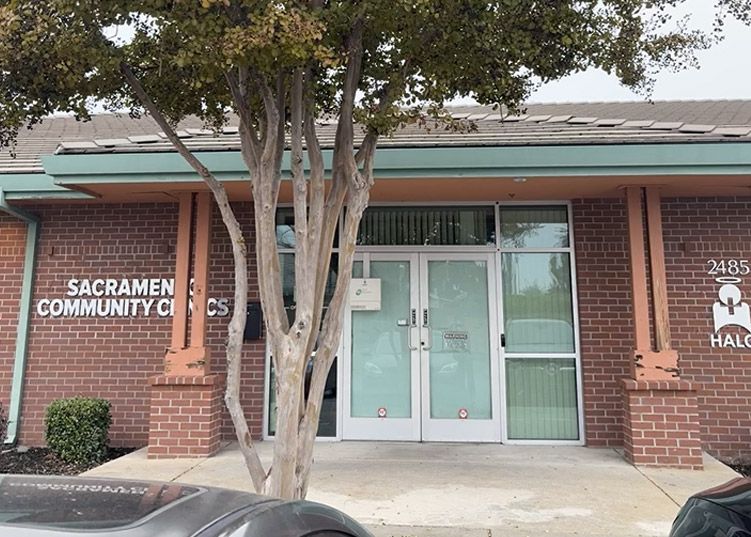
Currently, HALO operates 9 Sacramento Community Clinics (SCC) serving over 40,000 individuals with nearly 15,000 monthly encounters. We partner with organizations to provide professional and compassionate health.

About Us

Our Mission


Our Mission is to improve patient health outcomes by providing the highest quality healthcare services in a non-discriminatory and cost-effective manner targeting the most vulnerable and underserved with cultural sensitivity for our patients' unique needs.

Our Vision


Our Values are to HEAL - Health, Excellence, Accountability, and Leadership.


"We are deeply committed to the community we serve, we embrace the opportunity to self-fulfill ourselves through vocational services to others and to become the part and parcel difference for creating a greater good."

Our Services


Read More

We accept Medi-Cal and Medicare

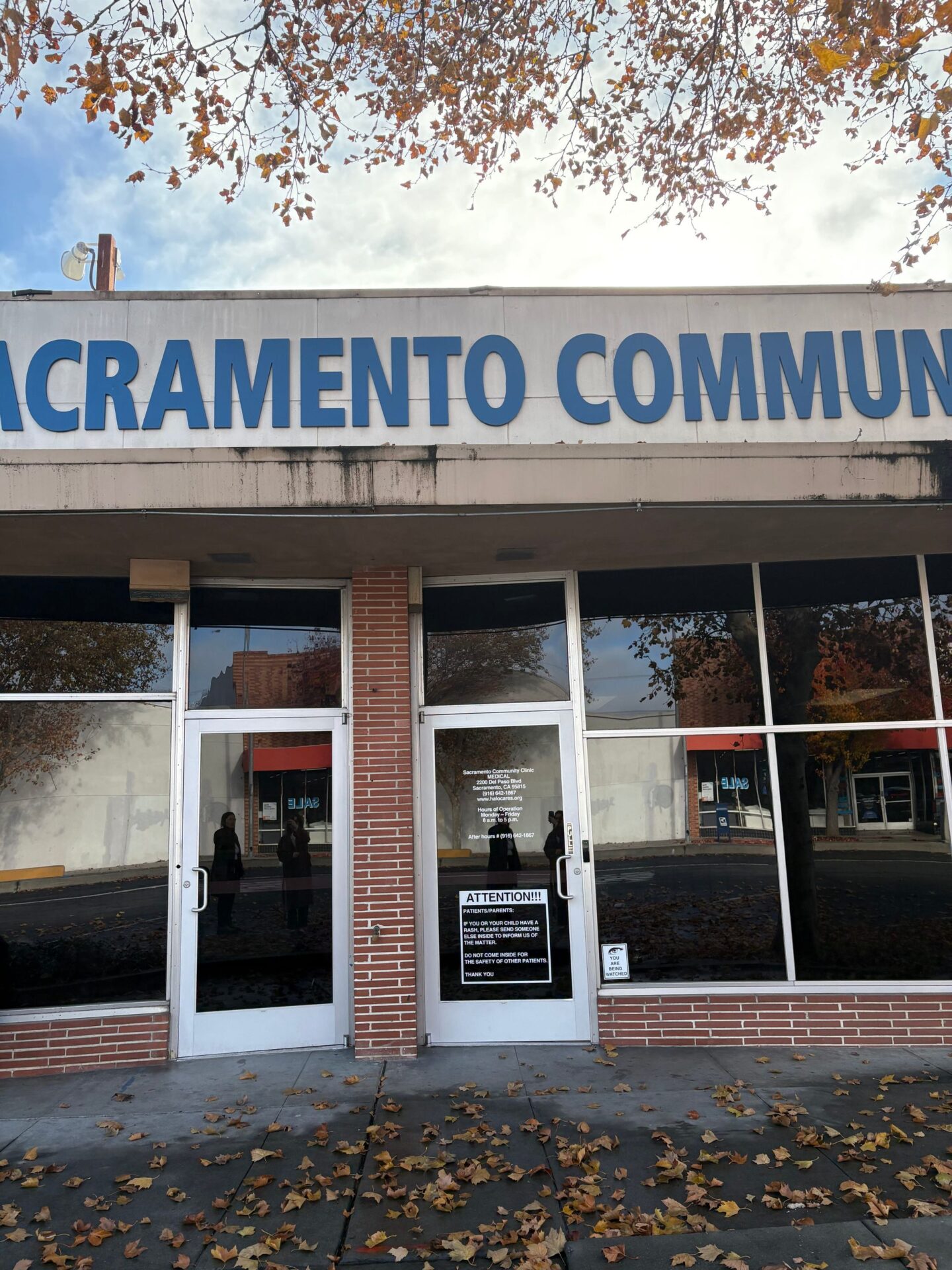
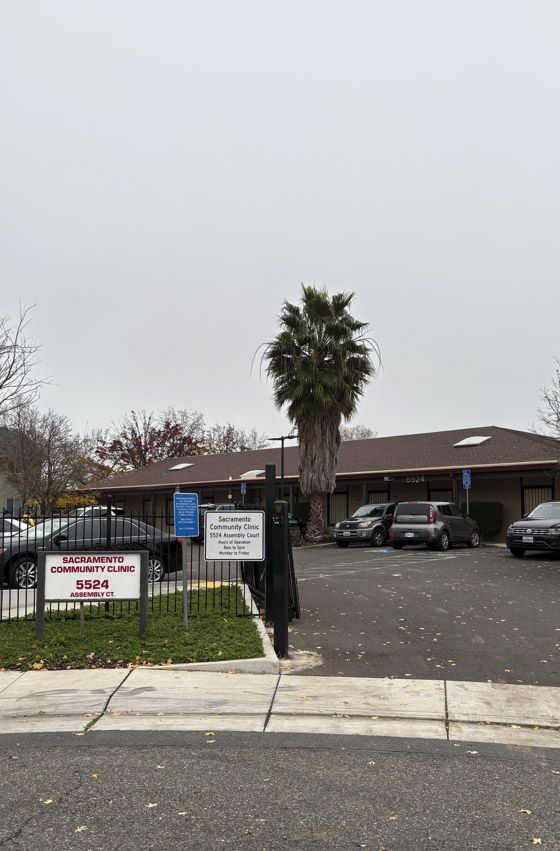
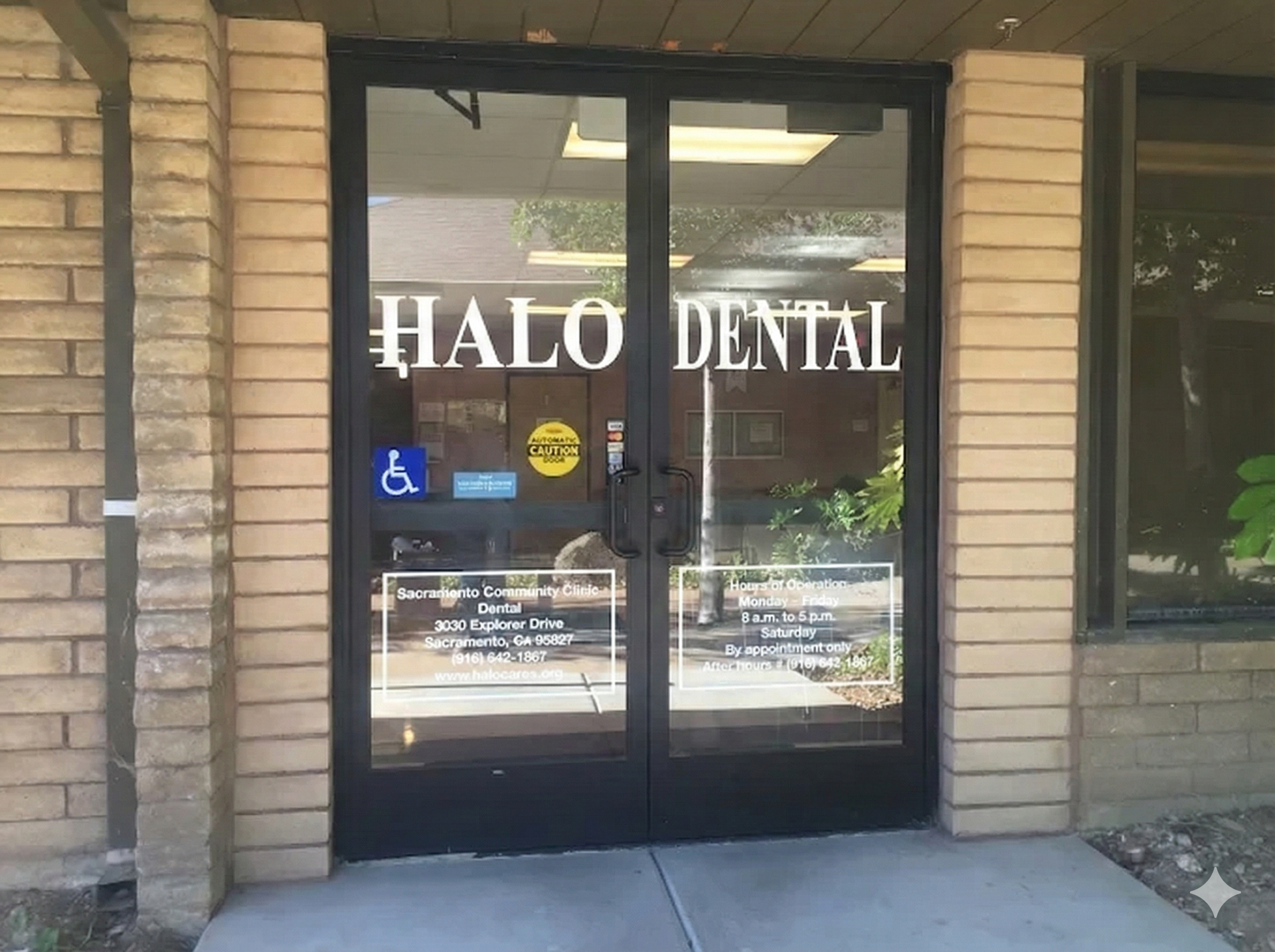
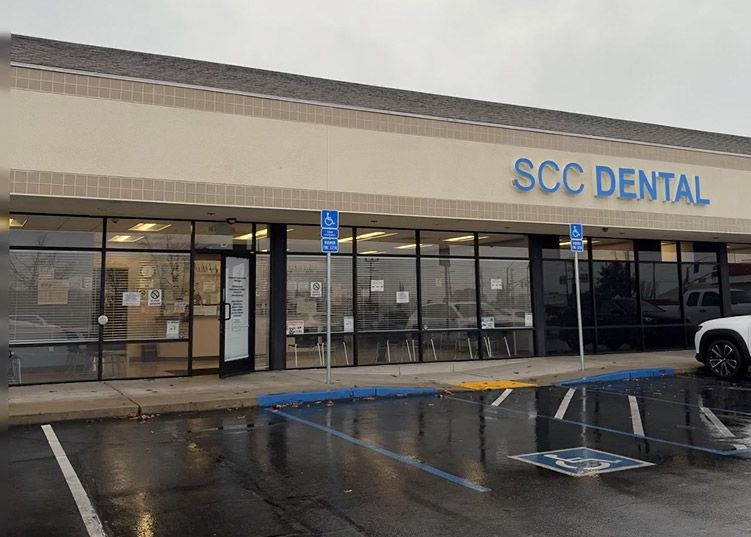
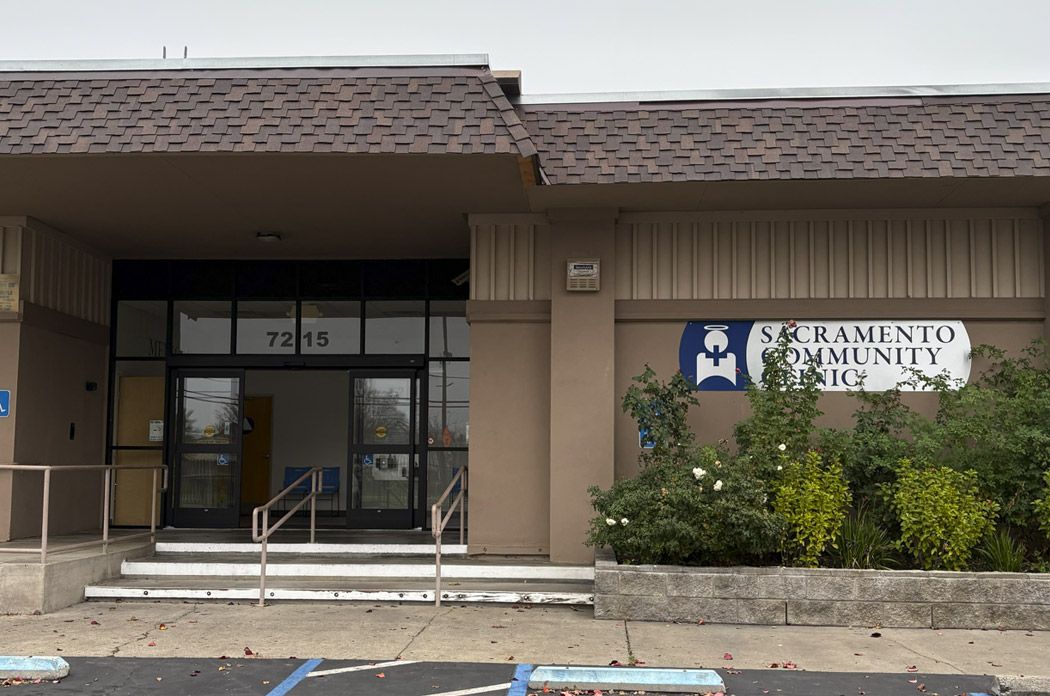
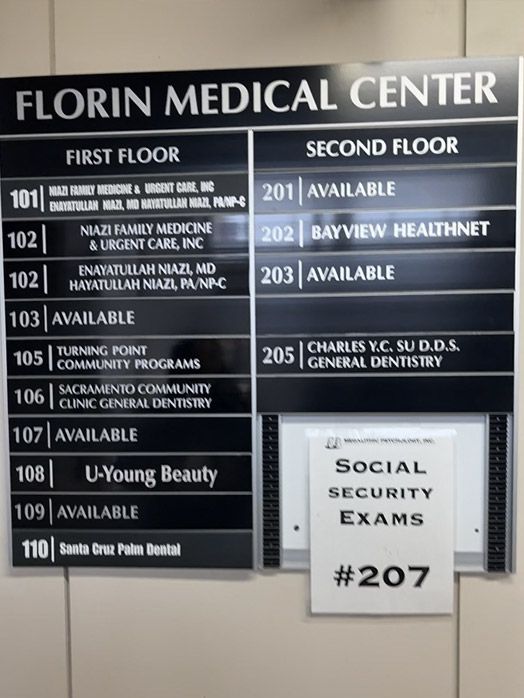
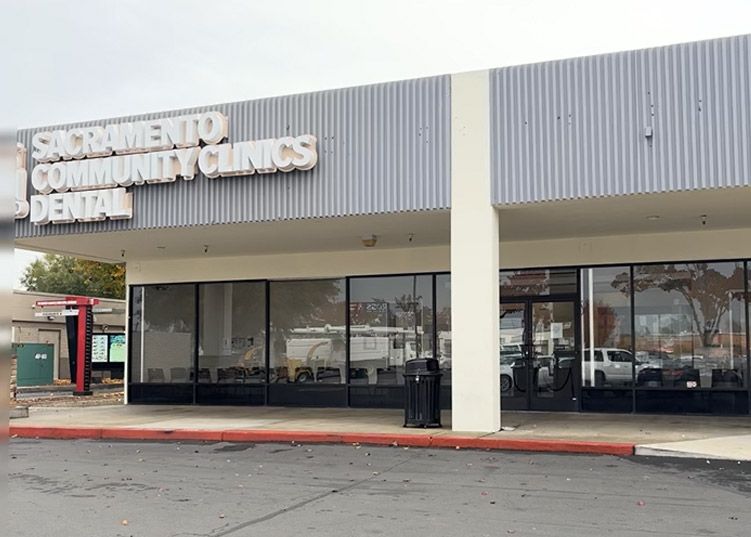
Our Locations


Clinic Phone       (916) 642-1867

Fax                        (844) 491-6066

Services Offered

Primary Care, OB/GYN, Dentistry, Behavioral Health, Chiropractic Care, Podiatry

Clinic Phone       (916) 642-1867

Fax                        (844) 491-6066

Services Offered

Primary Care, Behavioral Health, Obgyn, CPSP

Clinic Phone        (916) 642-1867

Dental Phone      (916) 642-1868

Fax                          (844) 491-6066

Services Offered

Primary Care, OB/GYN, Dentistry, Behavioral Health, Chiropractic Care, Podiatry

Clinic Phone        (916) 642-1867

Dental Phone      (916) 642-1868

Fax                          (844) 491-6066

Clinic Phone       (916) 642-1867

Fax                        (844) 491-6066

Services Offered

Medical, Dental, Behavioral health, Chiropractic, Acupuncture, Dermatology, OB/GYN, CPSP –Administration

Clinic Phone       (916) 642-1867

Fax                        (844) 491-6066

Services Offered

Primary Care, Pediatric, Dentistry

Clinic Phone       (916) 642-1867

Fax                        (844) 491-6066

Services Offered

Dentistry

Clinic Phone       (916) 642-1867

Fax                        (844) 491-6066

Services Offered

Primary Care, Pediatric, Dentistry, Weight Loss Management

Clinic Phone       (916) 642-1867

Fax                        (844) 491-6066

Services Offered

Dentistry

Clinic Phone       (916) 642-1867

Fax                        (844) 491-6066

Services Offered

Primary Care, Pediatric

Clinic Phone       (916) 642-1867

Fax                        (844) 491-6066

Services Offered

Dentistry

Latest Blogs


August 12, 2026
Healthcare is not a stagnant profession; it is a path of development and impact that changes with time. Of all the healthcare professions out there, nursing is arguably the most exciting career path in medicine—it operates on the principle of a ladder, with individuals being able to fast track their way into employment, gain valuable clinical skills, and climb up through the ranks via education and autonomy. Understanding the levels of nursing education is the essential part of building a career in healthcare. From Patient Care to Clinical Expertise: The Path of a Nursing Ladder Many nurses begin their journey at the level of bedside care. CNAs play the role of human interaction at the bedside by helping patients with their basic needs such as personal hygiene and mobility and by monitoring their vital signs after receiving a 4- to 12-week certificate program. Building on this foundation, LPNs complete a one-year vocational program to be able to administer medications and wound care as well as perform clinical assessments following orders from a physician or RN. Those who plan on becoming fully involved in the process of clinical management have two possible ways to become a nurse. ADN is obtained within two years, providing quick access to the field of clinical nursing practice. BSN takes four years to complete, providing students with more knowledge about leadership, community health, and evidence-based practice. Both graduates need to take the same NCLEX-RN license examination to work in the field of clinical nursing. At the pinnacle of clinical practice stands Advanced Practice Registered Nurses, such as FNPs. Having obtained an MSN or DNP, Nurse Practitioners move from carrying out a treatment plan to creating one. Being highly autonomous, NPs conduct physical assessments, diagnose complicated problems, order and interpret various tests, prescribe medications, and provide all-around healthcare services for the whole family. The Educational & Scope Overview
August 6, 2026
Medical Disclaimer: This article is for general educational purposes only and is not a substitute for professional medical advice. Always follow your doctor's instructions, especially regarding chronic conditions, medications, or fluid restrictions. If you suspect heat stroke or a medical emergency, call 911 immediately. Summer brings longer days, sunny outdoor gatherings, and plenty of opportunities to create lasting memories with family. But when temperatures surge into heat wave territory, extreme heat becomes more than an inconvenience, it poses a genuine health risk. Older adults, young children, family caregivers, and individuals with chronic health conditions face elevated risks for heat-related illness when summer temperatures peak. Important: People with medical conditions, fluid restrictions, or medications that affect hydration or heat tolerance should consult their healthcare professional for individualized guidance. At Halo, our mission is to deliver proactive, caring health guidance that keeps your family safe, comfortable, and supported year-round. This guide breaks down actionable, doctor-informed steps to help you manage your indoor environment, choose hydrating foods, adapt your physical activity, and recognize emergency warning signs before a minor issue becomes dangerous. 1. Stay Cool Indoors and Adjust Your Environment Keeping your home safe during extreme heat requires a proactive approach to indoor temperature management. When outdoor temperatures exceed normal body temperature, unconditioned homes can trap heat quickly. Optimize Air Conditioning: Set central AC thermostats to an efficient setting (around 78°F when you are home) to balance indoor comfort with energy strain. If central AC isn't available, concentrate window units in key spaces like bedrooms or living areas where family members spend the most time. Block Radiant Heat: Close blinds, shades, or blackout curtains on sun-facing windows during peak daylight hours (10:00 a.m. to 6:00 p.m.) to prevent solar radiation from heating room interiors. Time Window Ventilation: Open windows during cool overnight hours or early mornings to encourage cross-ventilation. Close them securely as soon as outdoor temperatures match or exceed your home's internal temperature. Limit Internal Heat Sources: Avoid using stoves, ovens, or large heat-generating appliances during peak warmth. Choose raw meals, outdoor grilling in shaded areas, or quick microwave preparations instead. Utilize Local Cooling Centers: If your home lacks functional air conditioning and internal heat reaches unsafe levels, take advantage of public cooling shelters, local libraries, or community centers equipped with climate control. 2. Smart Hydration: Beyond Just Drinking Water Effective hydration during a heat wave requires consistent fluid intake and mineral balance rather than simply drinking water when thirst strikes. Waiting until you feel thirsty often means mild dehydration has already set in. Hydration Best Practices Sip Frequently: Drink small amounts of fluids continuously throughout the day rather than drinking large volumes all at once. Aim for a steady pace of a few sips every 15–20 minutes. Avoid Dehydrating Beverages: Limit drinks high in sugar, alcohol, or heavy caffeine content. These act as diuretics or increase fluid loss through metabolism, making dehydration worse. Replenish Electrolytes When Needed: During prolonged heavy sweating or extended activity outdoors (such as working or exercising in high heat for hours), electrolyte-infused beverages or oral rehydration solutions can help replenish lost minerals. For ordinary daily indoor activities, plain water is usually sufficient unless otherwise advised by your physician. 3. What to Eat (and Avoid) During Extreme Heat Digestion naturally produces heat within the body—a physiological process known as diet-induced thermogenesis. Digesting heavy, high-fat, or complex foods forces your metabolic system to work harder, which can leave you feeling warm or sluggish. Caregiver Tip: Transition your family toward smaller, more frequent meals throughout the day. Light meals ease the digestive load, preventing that heavy, overheated feeling after eating.
People walking at a park
July 27, 2026
At HALO (Health And Life Organization), we focus on both sides of care: helping people prevent illness before it starts, and supporting them if it does.
Read More Blogs